
Gold
The oldest monetary asset, and the one most retirement investors already recognise.
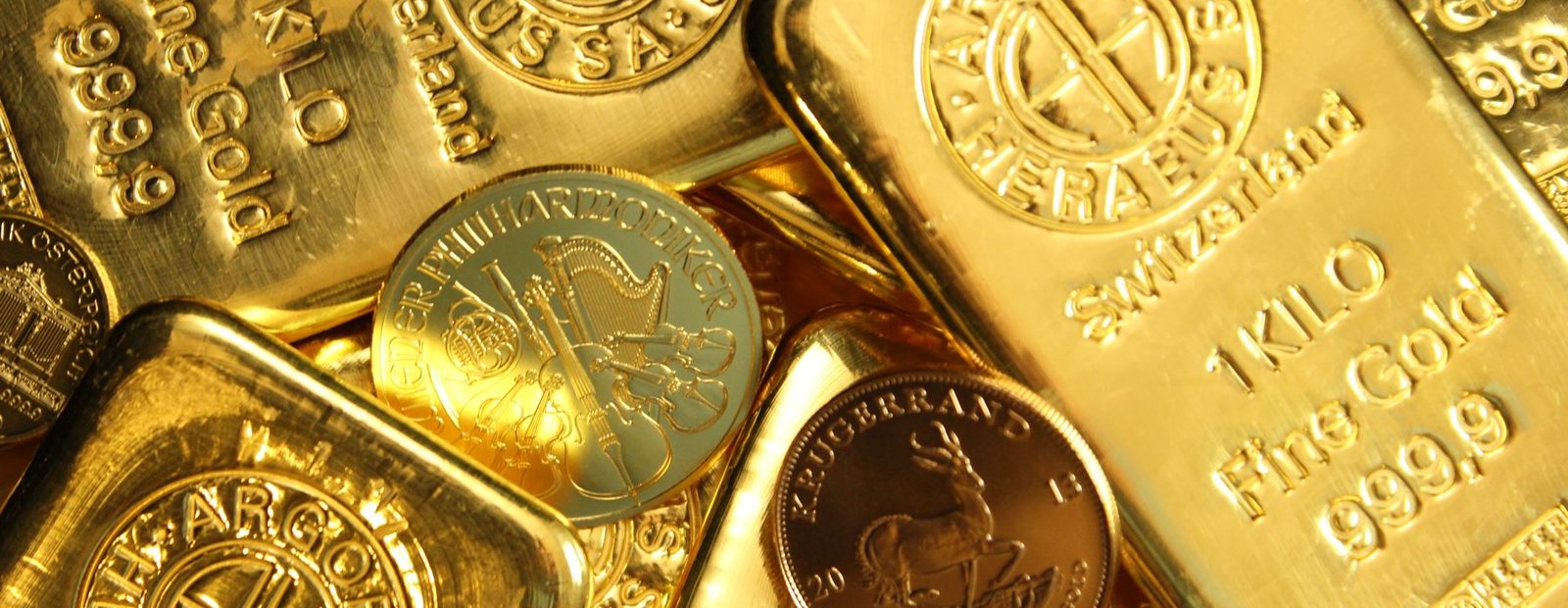
Let us delve into gold
Gold has been used as money for roughly five thousand years. It was chosen for the job because of what it physically is: it does not corrode, it does not tarnish, it can be divided and recombined without loss, and it is scarce enough to be worth carrying but common enough to circulate. Almost every civilisation that developed coinage arrived at gold independently.
What makes gold unusual among commodities is that very little of it is consumed. Copper gets used up in wiring, oil gets burned, but gold is nearly always recovered and kept. The great majority of all the gold ever mined still exists today, in vaults, central bank reserves, jewellery boxes and private hands. That is why gold's supply is so stable: annual mine production adds only about one and a half percent to the total above-ground stock each year.
Where gold is used
Jewellery is the largest single category of demand worldwide, particularly in India and China. Investment demand — bars, coins and exchange-traded holdings — is next. Central banks are a significant and growing buyer; several have been adding to reserves in recent years.
Gold also has genuine industrial uses. It is an excellent conductor that does not corrode, which makes it valuable in connectors, semiconductors and circuit boards, and it is used in dentistry and some medical devices. But industry is a small share of total demand, which means gold's price is driven far more by investment and monetary demand than by the economic cycle.
How much gold is there
- World reserves still in the ground: approximately 64,000 metric tons (US Geological Survey).
- Annual mine production: approximately 3,300 metric tons.
- Largest reserve holders: Russia and Australia (about 12,000 tons each), South Africa (5,000), Indonesia (3,600), Canada (3,200).
What gold does, and does not, do
No counterparty risk
A gold coin is not a promise from a company or a government. There is no issuer that can fail.
It produces no income
No dividend, no interest. The entire return, positive or negative, comes from the price.
The price can stay down
Gold has gone through long periods of flat or falling prices. Past performance does not indicate future results.
Spreads are tight. Gold is the most heavily traded precious metal, which generally means a narrower gap between buying and selling price than the less liquid metals. It is IRA-eligible at .995 fine or better, with the American Gold Eagle a named exception at .9167.
Thinking about gold inside your IRA?
We will walk through the eligible products and what the premium actually is, before you decide anything.