
Silver
A monetary metal with a second life as an industrial material.
Let us delve into silver
Silver has served as money for as long as gold, and for most of history it was the metal ordinary people actually used. Gold settled large debts between states and merchants; silver bought bread. The word for money and the word for silver are still the same in French, Spanish and several other languages.
What separates silver from gold is what happens to it after it is mined. A large share of annual silver production is consumed by industry and never recovered, because it is used in tiny quantities spread across millions of devices, where recovery costs more than the metal is worth. Silver is genuinely used up in a way gold is not.
Where silver is used
US Geological Survey figures put silver demand at roughly: electrical and electronics 25 percent; other industrial uses and photography 19 percent; physical investment in bars 18 percent; solar photovoltaics 15 percent; coins and medals 14 percent; jewellery and silverware 6 percent; brazing and solder 3 percent.
Silver is the best electrical and thermal conductor of any element, and the most reflective. That is why it appears in solar panels, electrical contacts, mirrors, brazing alloys and water purification. It is also naturally antimicrobial, which puts it in medical dressings and coatings.
The practical consequence for an investor is that roughly half of silver's demand comes from industry. Silver therefore responds to the industrial cycle in a way gold does not, and it typically moves more sharply than gold in both directions.
How much silver is there
- World reserves still in the ground: approximately 610,000 metric tons (US Geological Survey).
- Annual mine production: approximately 26,000 metric tons.
- Largest reserve holders: Peru (110,000 tons), Russia (92,000), China (67,000), Poland (59,000), Mexico (37,000).
How silver behaves
It moves more than gold
Larger swings in both directions. Investors who want more movement, and can tolerate it, hold proportionally more silver.
It takes up far more space
The same dollar value of silver is many times the volume of gold, so annual storage costs more per dollar held.
Half its demand is industrial
That ties part of silver's story to manufacturing activity, solar installation rates and electronics demand.
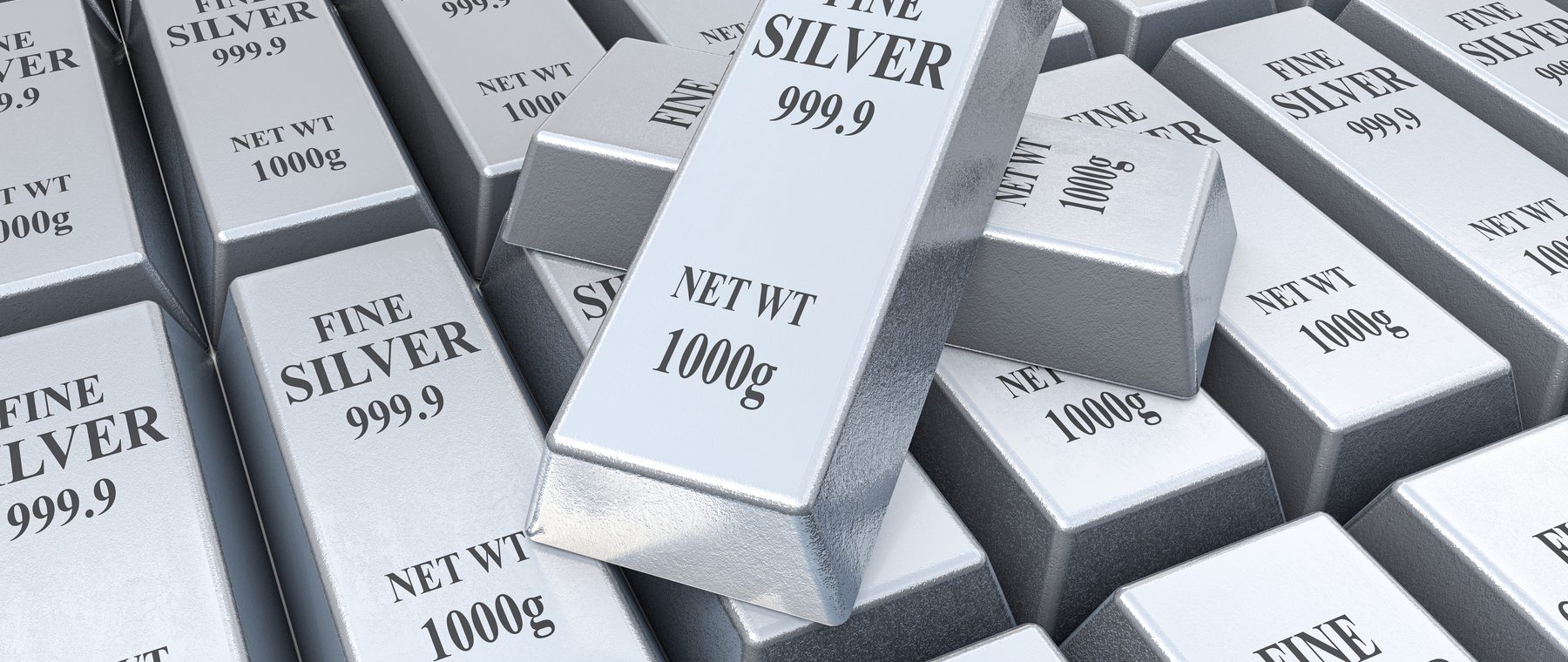
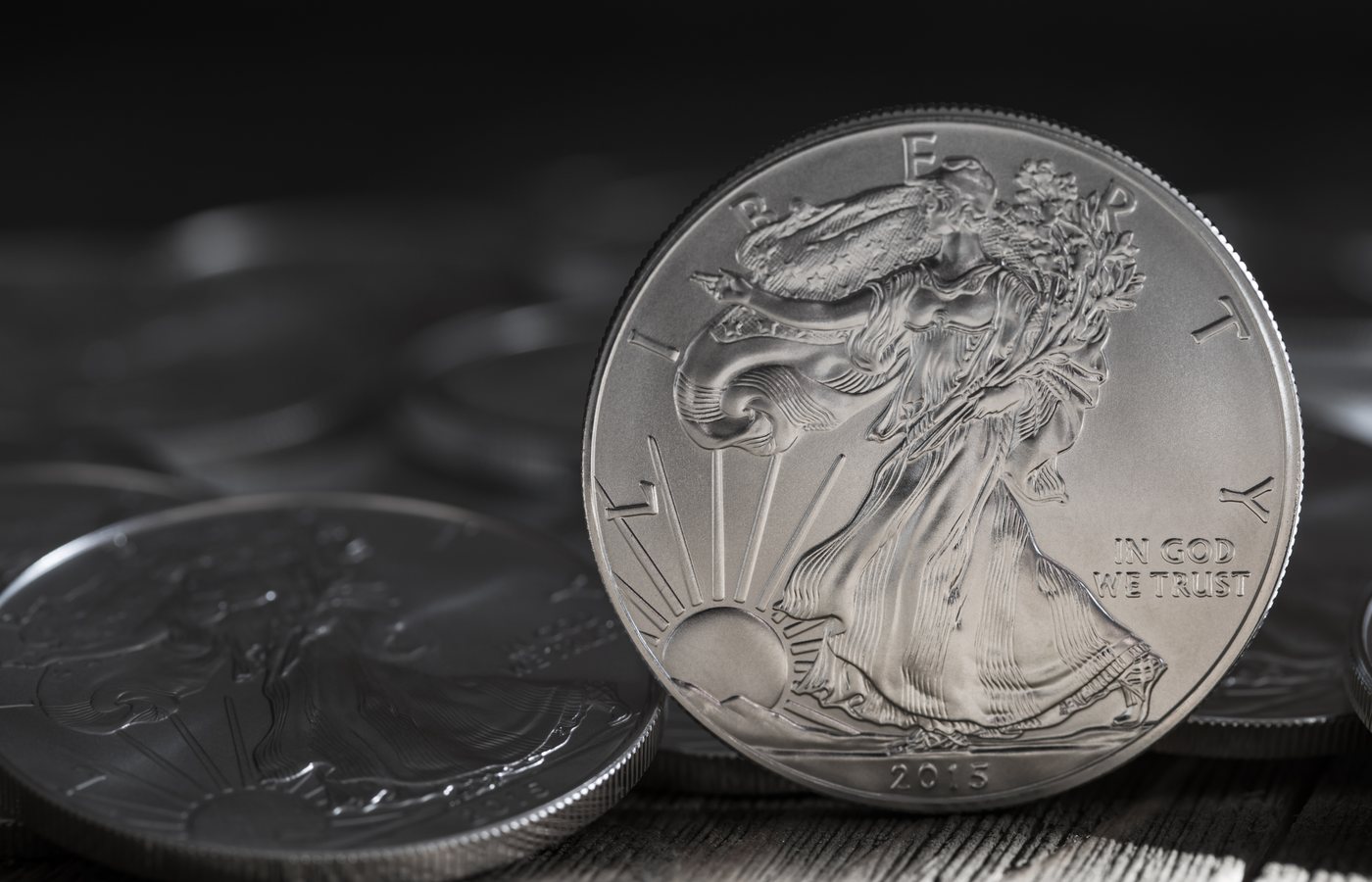
Premiums are higher on coins than bars. The American Silver Eagle carries a higher premium over spot than a 100 oz bar, but is easier to sell in small quantities. Silver is IRA-eligible at .999 fine or better.
Silver bullion
The American Silver Eagle is the most widely recognised silver bullion coin in the United States, produced by the US Mint at .999 fine, and one of the products we place most often inside retirement accounts. Bars carry a lower premium over spot and are the usual choice for larger positions.
Thinking about silver inside your IRA?
We will quote you the actual premium on the actual product, not an indicative figure.